
Our Case Studies

Crypto recovery case studies provide real-world insight into how blockchain forensic analysis, digital asset tracing, and professional investigation techniques are used to recover lost or stolen cryptocurrency. These crypto recovery case studies demonstrate how structured recovery strategies can identify transaction patterns, trace funds across wallets, and support successful recovery outcomes.
All case studies are anonymized to protect client privacy and comply with data protection regulations.
Why Crypto Recovery Case Studies Are Important
Crypto recovery case studies play a critical role in helping individuals and organizations understand how digital asset recovery works in real-world scenarios. These crypto recovery case studies provide detailed insights into how blockchain forensic analysis, transaction tracing, and investigative methodologies are applied to track stolen or inaccessible cryptocurrency across complex blockchain networks.
One of the key benefits of crypto recovery case studies is that they demonstrate transparency in the recovery process. By analyzing previous cases, clients can better understand how funds are traced through wallet addresses, exchanges, and decentralized platforms. These crypto recovery case studies highlight the importance of professional expertise in identifying transaction patterns, linking wallets, and uncovering fraudulent activities that may otherwise remain hidden.
Additionally, crypto recovery case studies help establish trust and credibility. They show proven strategies and real investigative outcomes, giving clients confidence that structured recovery processes can lead to successful results. Each case study reflects the application of advanced blockchain analytics, risk assessment, and compliance procedures required in modern digital asset investigations.
Crypto recovery case studies are also essential for educating clients about the complexity of cryptocurrency fraud. They illustrate how scammers use sophisticated techniques such as layering, mixing services, and cross-chain transactions to obscure fund movements. Understanding these tactics through crypto recovery case studies enables clients to appreciate the level of technical precision required for effective recovery.
Furthermore, crypto recovery case studies provide valuable learning opportunities for preventing future losses. By examining how incidents occurred and how they were investigated, individuals can identify warning signs and adopt better security practices to protect their digital assets.
For professional assistance and a structured recovery process, explore our crypto recovery services or contact our recovery team for a confidential consultation. For official reporting, you may also visit the FBI Internet Crime Complaint Center ( IC3) or review global insights from Chainalysis.

CASE STUDY 1 – Investment Scam (Bitcoin)
Case Study: Bitcoin Investment Fraud Investigation
A private investor contacted Swift Response Crypto after losing funds to a fraudulent cryptocurrency investment platform promising high guaranteed returns. The victim transferred Bitcoin across multiple transactions over a 3-week period.
- Bitcoin (BTC)
- Approx. $87,000
- Online Investment Scam / Fake Trading Platform
Our digital asset forensic team conducted:

- Transaction hash analysis
- Wallet clustering investigation
- Blockchain pathway tracing
- Exchange deposit monitoring
- Scam infrastructure pattern review
Through blockchain forensic analysis, we traced the Bitcoin movement across multiple intermediary wallets before identifying consolidation into a centralized exchange wallet cluster.
This documentation supported further escalation through appropriate legal and compliance channels.
Funds were moved through 11 intermediary wallets
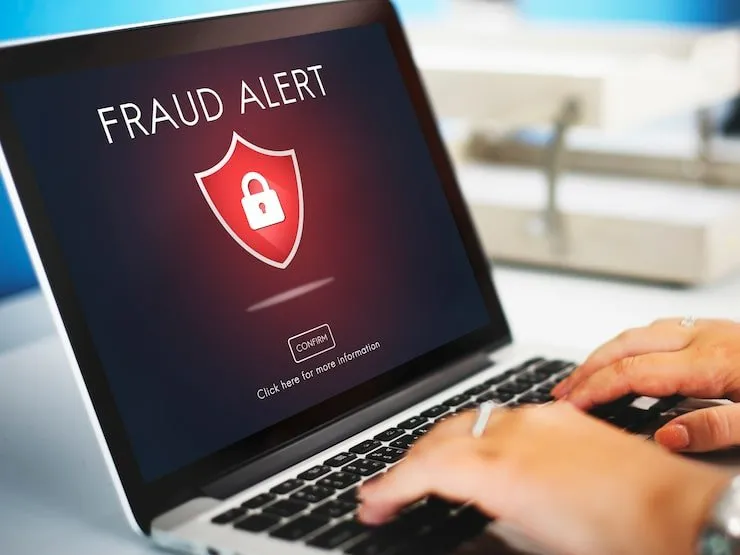
- Transaction structuring was used to obscure origin
- Assets were consolidated before exchange interaction
- Exchange compliance pathway identified
A structured forensic report was prepared outlining transaction flow, wallet attribution patterns, and exchange interaction details.
Early intervention is critical in crypto investment fraud cases. Once assets reach identifiable exchange infrastructure, recovery pathways may become more viable depending on jurisdiction and timing.
CASE STUDY 2 – Wallet Compromise (Ethereum)
Case Study: Ethereum Wallet Compromise & Asset Tracing
Within minutes, multiple ERC-20 tokens and ETH were transferred.
- Ethereum (ETH) & ERC-20 Tokens
- Approx. $42,000 equivalent
- Phishing Attack / Smart Contract Exploit

Our blockchain forensic specialists conducted:

- Smart contract interaction review
- Token movement tracking
- Wallet interaction mapping
- DeFi routing analysis
- Exchange exposure identification
We identified that the compromised assets were routed through decentralized protocols before partial consolidation into exchange-associated wallets.
This documentation supported client escalation through exchange compliance review procedures.
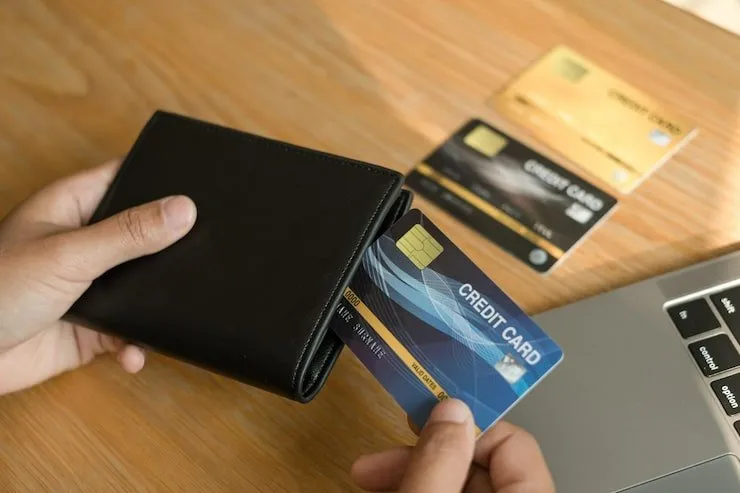
- Automated draining mechanism detected
- Asset routing pattern consistent with known exploit model
- Exchange interaction observed within 24 hours
A structured blockchain forensic report was prepared detailing wallet compromise mechanics and transaction traceability.
Smart contract phishing attacks are increasing in frequency. Users should avoid signing unknown transactions and verify contract authenticity before wallet approvals.
Case Study 3
Cross-Chain Laundering Investigation – $186,000 Recovered
Client Location
United States
Asset Type
Bitcoin (BTC) → Ethereum (ETH) → USDT
Incident Type
Investment Platform Fraud
- Background
A client contacted our team after transferring approximately $186,000 in Bitcoin to what appeared to be a legitimate AI-driven crypto investment platform. After several weeks of apparent trading profits, the client attempted to withdraw funds and the platform demanded additional “liquidity verification fees.”
Shortly afterward, the client lost access to their account dashboard and communication with the platform ceased.

- Investigation Process
Swift Response Crypto initiated a blockchain forensic investigation which revealed that the original BTC deposits were quickly converted through cross-chain bridges and distributed across multiple Ethereum wallets.
Using proprietary blockchain analysis tools and transaction clustering techniques, our team was able to:
- Identify the wallet cluster controlled by the fraud operators
- Trace the asset flow through several decentralized exchanges
- Map the movement of funds into a centralized exchange liquidity pool

- Outcome
The transaction trail ultimately led to a regulated exchange wallet. Evidence packages and transaction mapping reports were compiled and submitted through the appropriate compliance channels.
This allowed the exchange’s internal compliance unit to flag and restrict several accounts connected to the fraud network, preventing further laundering of the funds.
A significant portion of the assets was secured during the compliance freeze process, enabling further legal recovery procedures.

- Key Findings
- Fraud network operating across multiple blockchains
- Use of cross-chain bridges to obscure transaction trails
- Coordinated wallet clusters used for laundering operations
Case Study 4
Romance Scam Crypto Tracing – $94,500 Investigation
Client Location
Canada
Asset Type
USDT (TRC-20)
Incident Type
Romance / Social Engineering Scam
- Background
A Canadian client approached RapidAssetTrace after sending approximately $94,500 in USDT to an individual they had met online. The fraudster convinced the client to participate in a “private crypto trading opportunity” with guaranteed returns.
Over a period of several weeks, the victim was persuaded to send multiple payments to different TRC-20 wallet addresses.
When the client attempted to withdraw profits, they were informed additional “tax clearance fees” were required. At this stage the client suspected fraud and contacted our investigation team.
- Investigation Process
Our analysts began a full TRON blockchain forensic analysis to track the movement of the funds.
The investigation identified:
- A network of linked wallets used for victim deposits
- Consolidation of funds into a primary laundering wallet
- Subsequent transfers to multiple offshore exchange accounts
Through transaction graph analysis and wallet clustering, we identified several known scam wallet signatures associated with prior romance fraud operations.
- Outcome
Our team produced a comprehensive Blockchain Intelligence Report, which included:
- Wallet attribution analysis
- Transaction flow mapping
- Exchange interaction records
- Compliance reporting documentation
The report was delivered to the client and relevant reporting bodies, allowing the associated exchange accounts to be flagged for investigation.
The intelligence also assisted in preventing additional victims from sending funds to the same wallet cluster.
- Key Findings
- Organized romance-fraud network using TRC-20 stablecoins
- Multiple wallet rotation strategy to evade detection
- Consolidation through high-volume laundering addresses